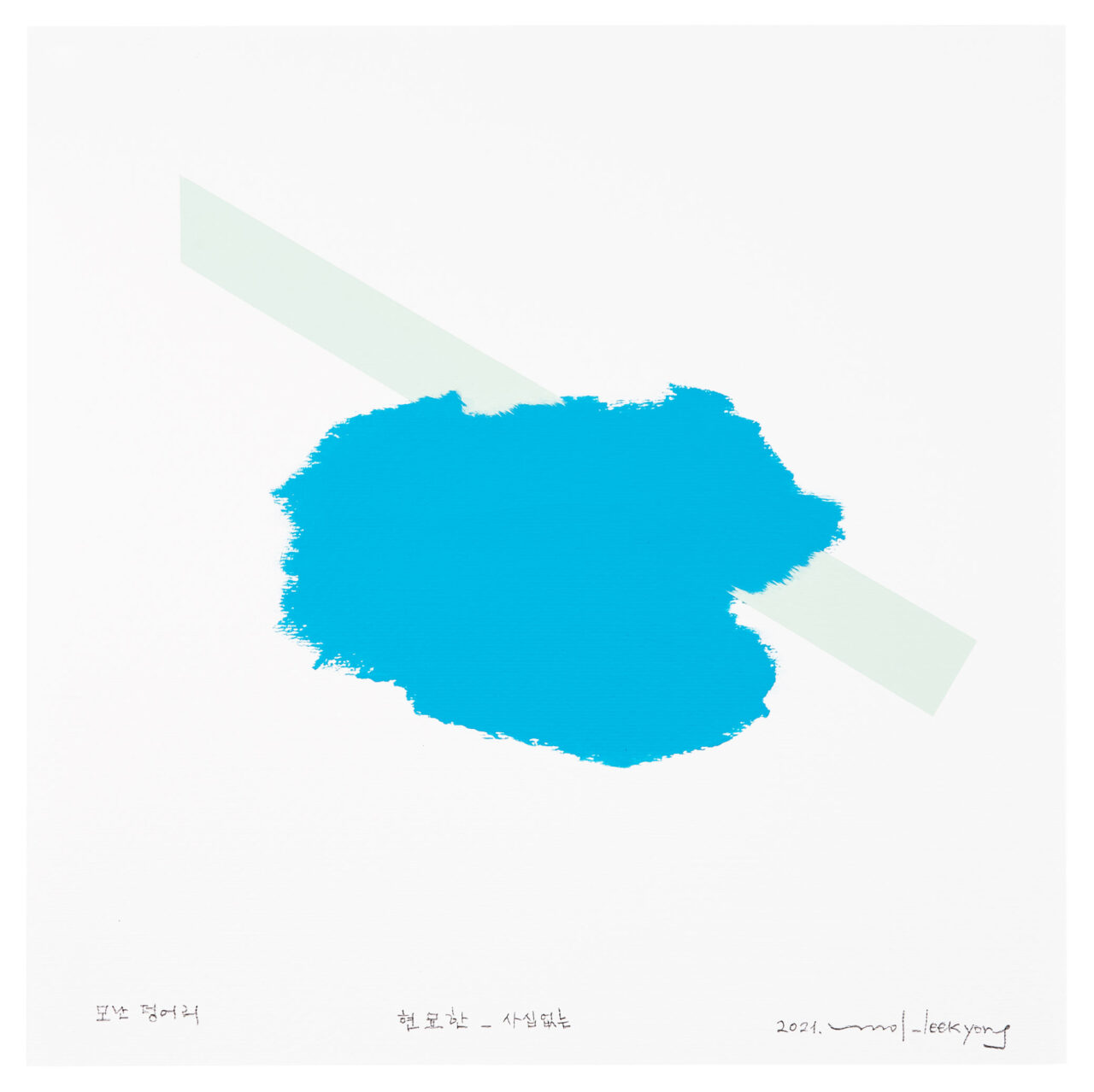
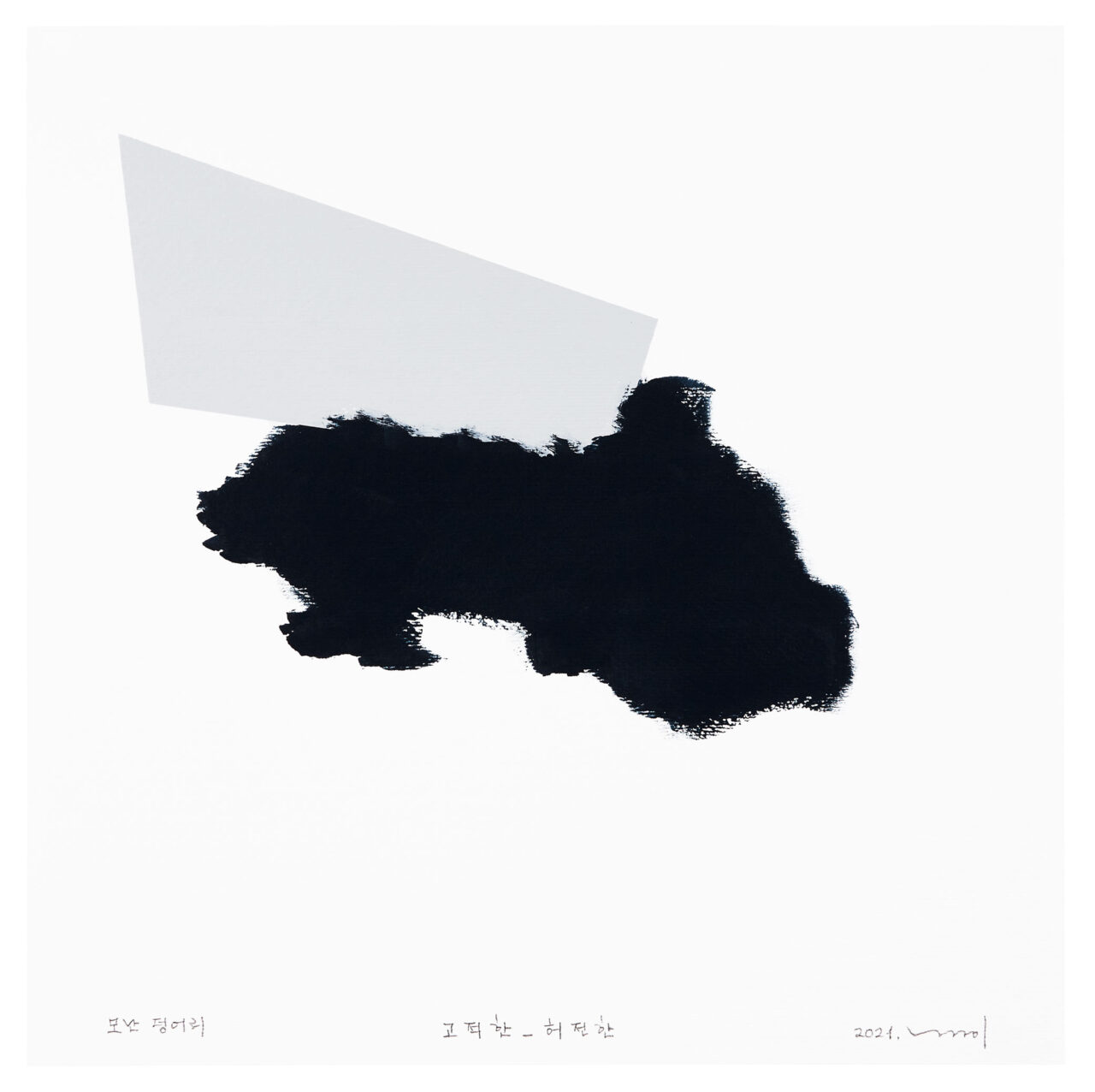
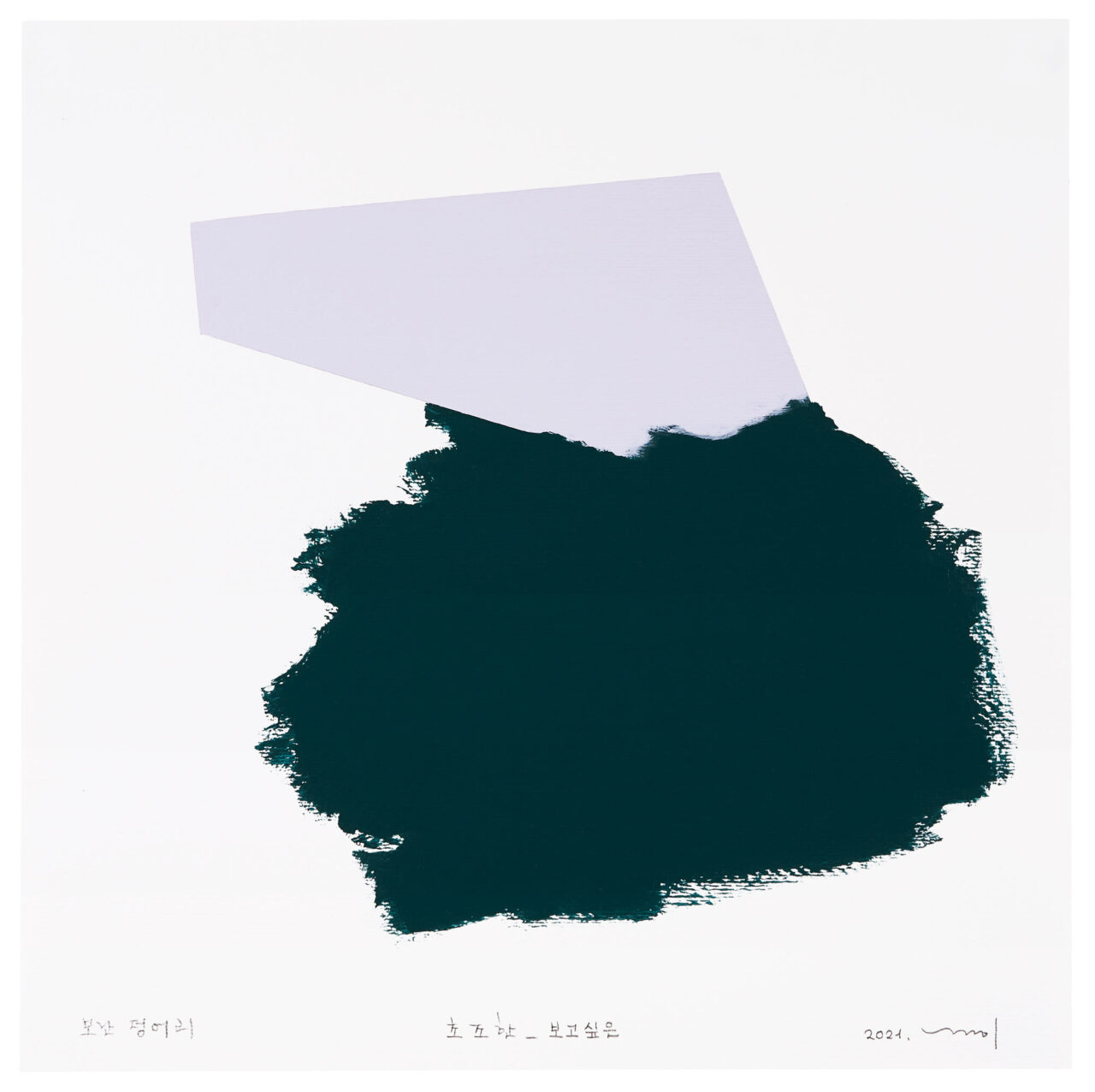
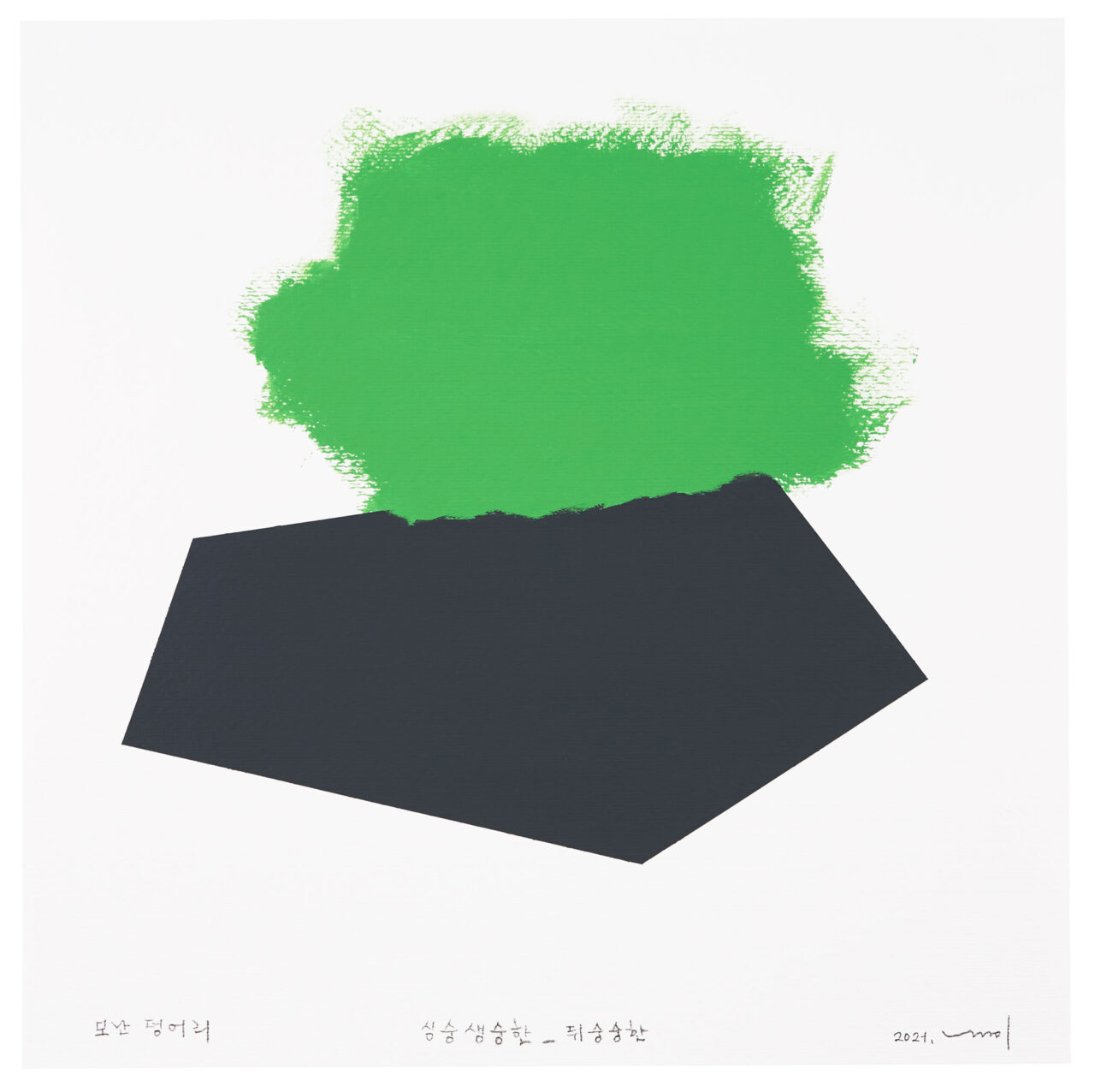
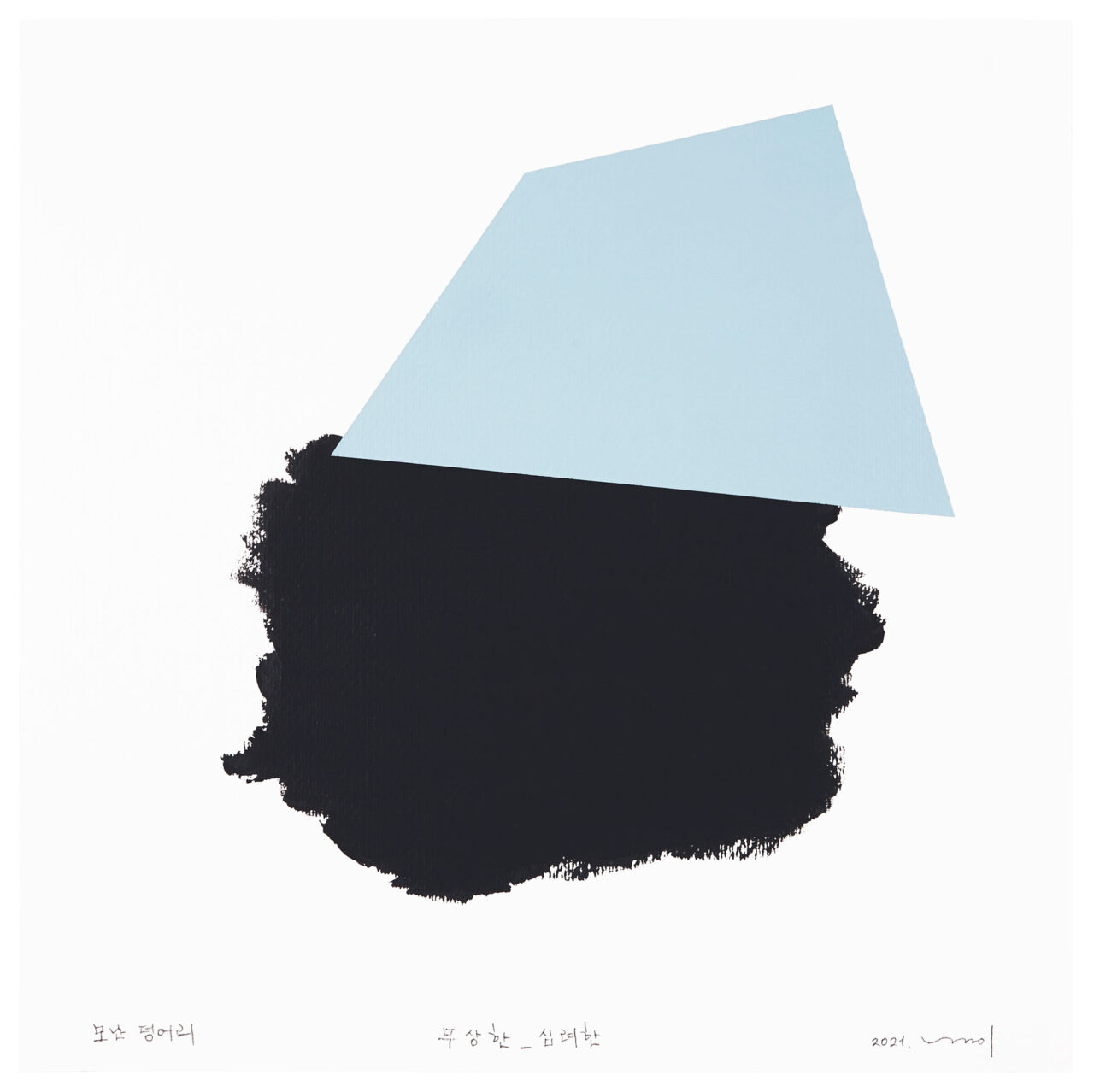
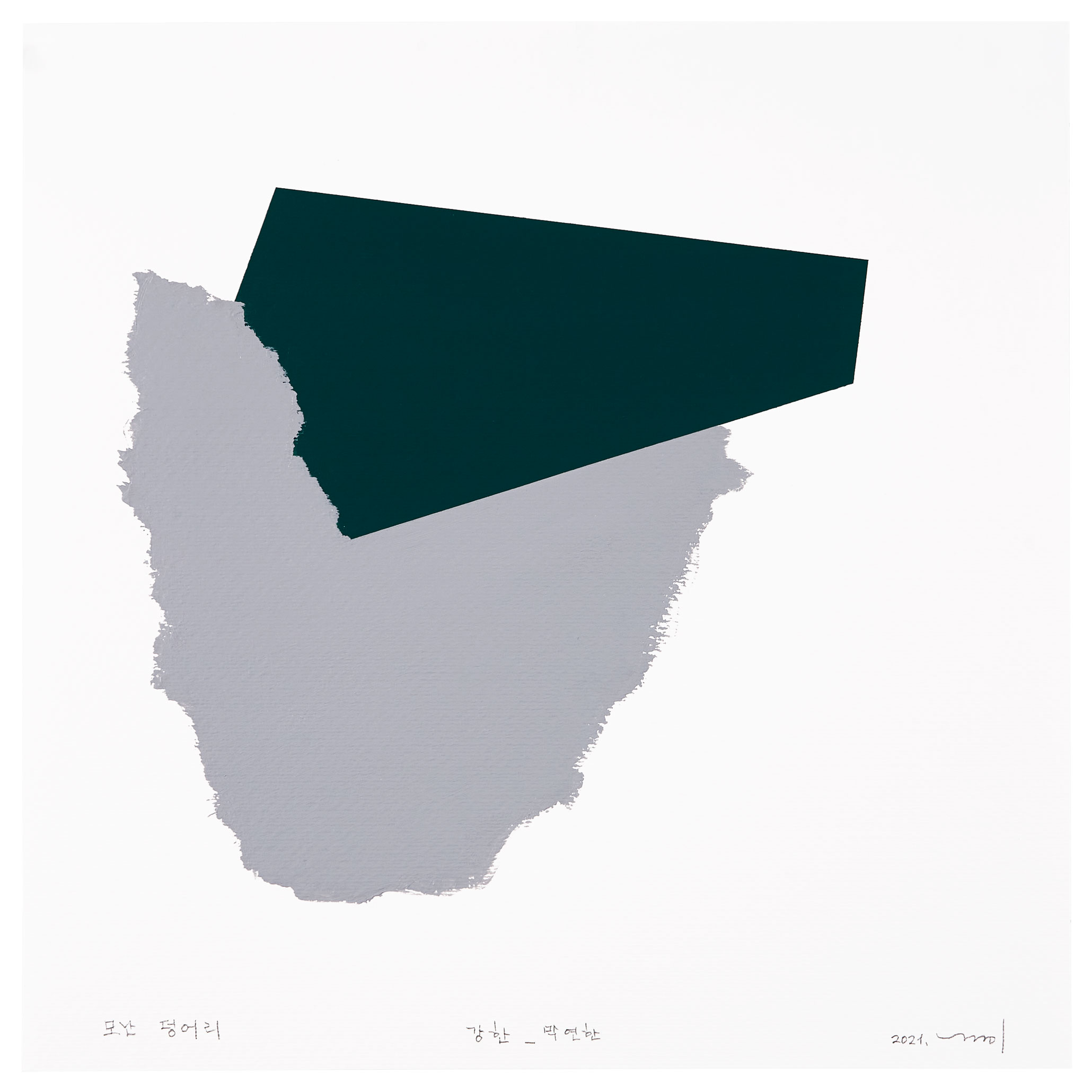
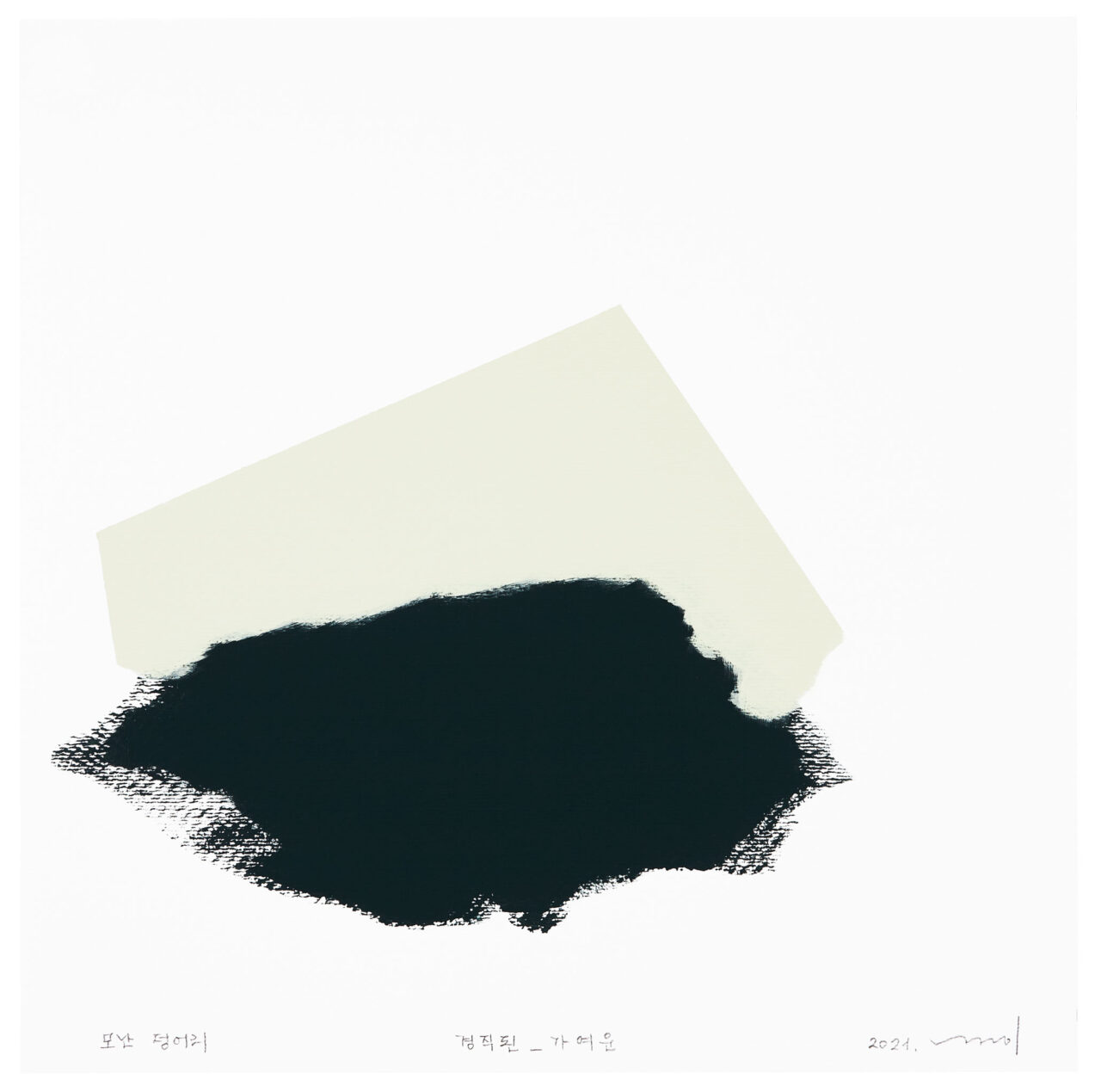
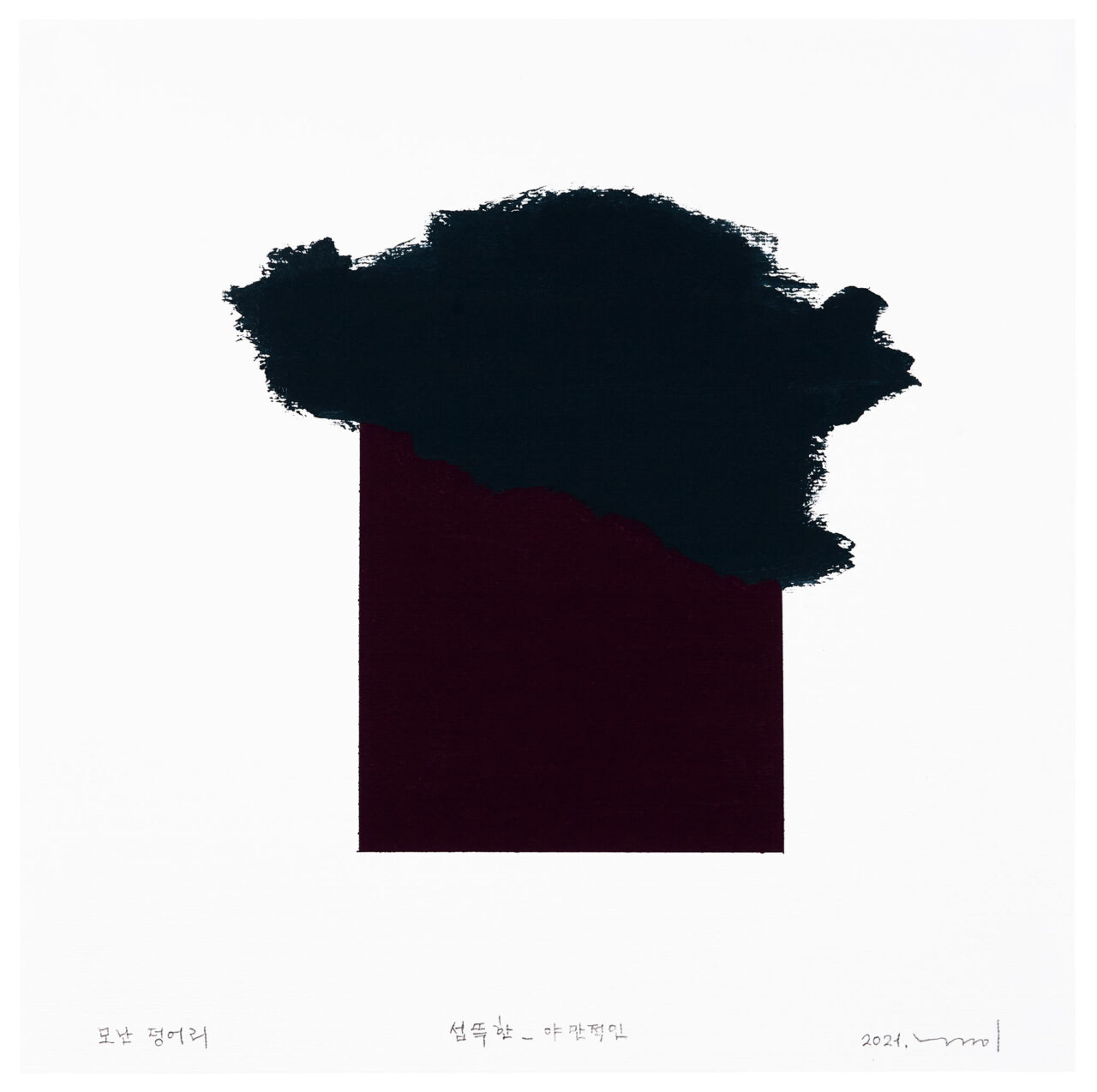
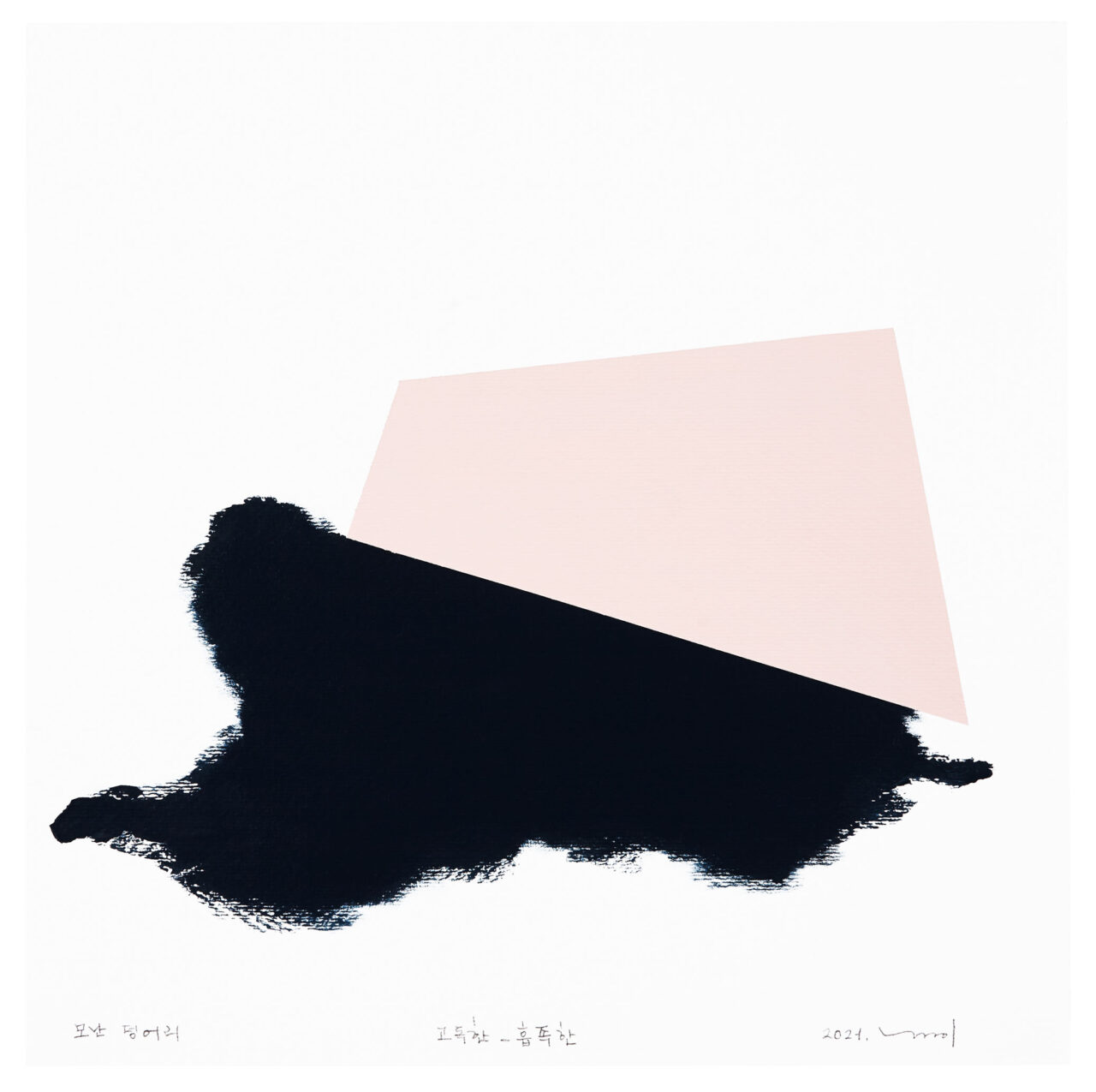
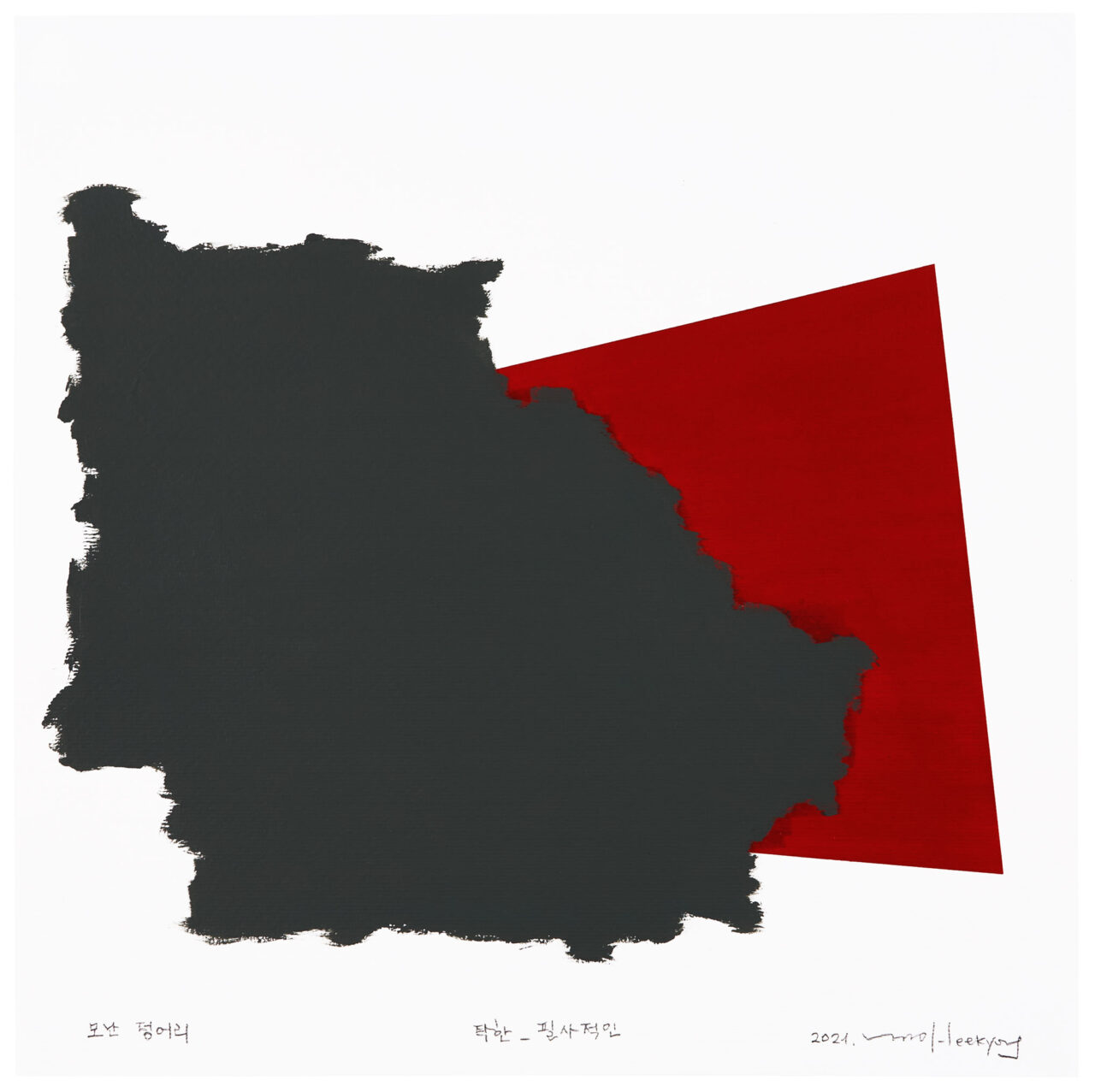
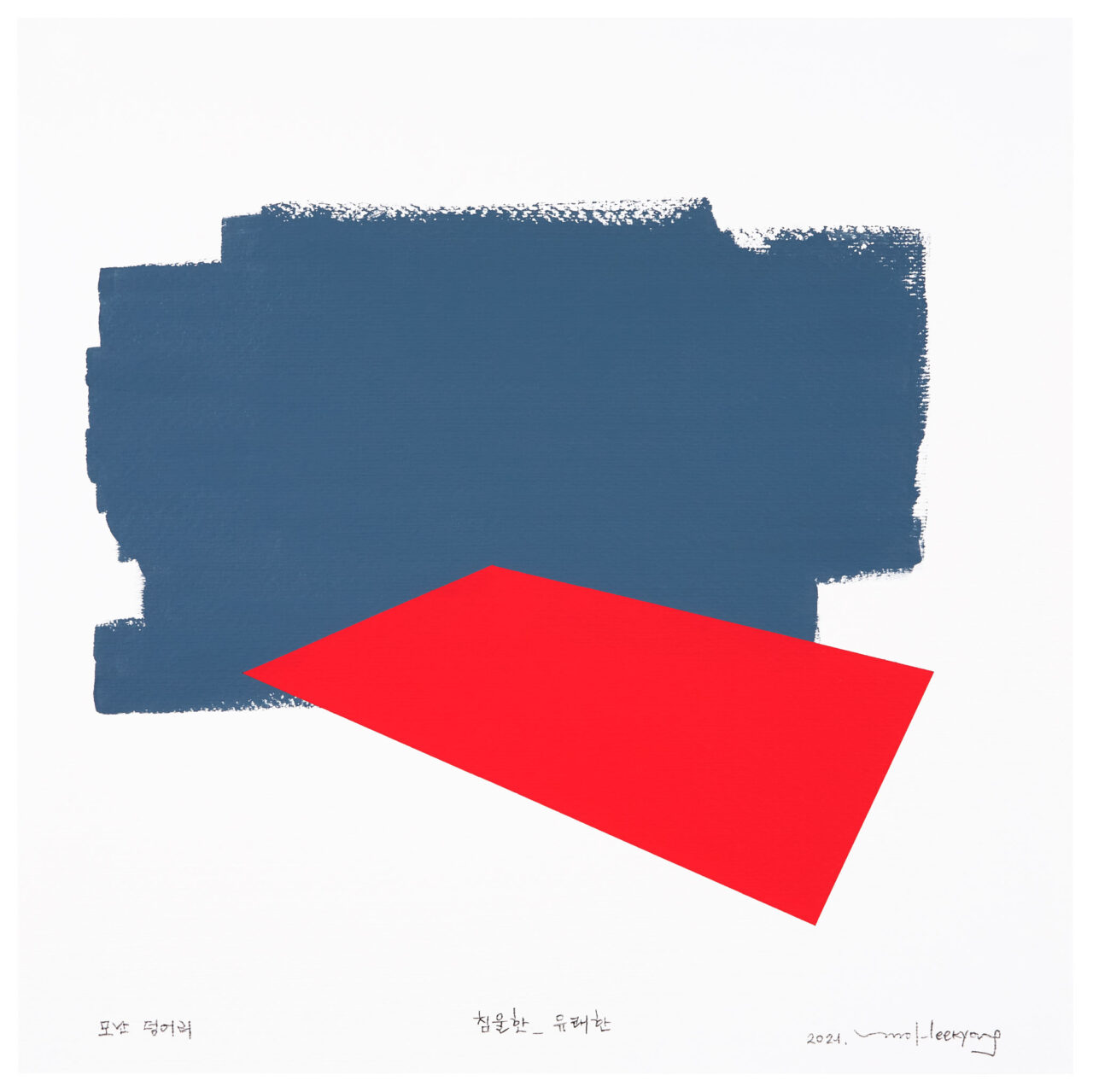
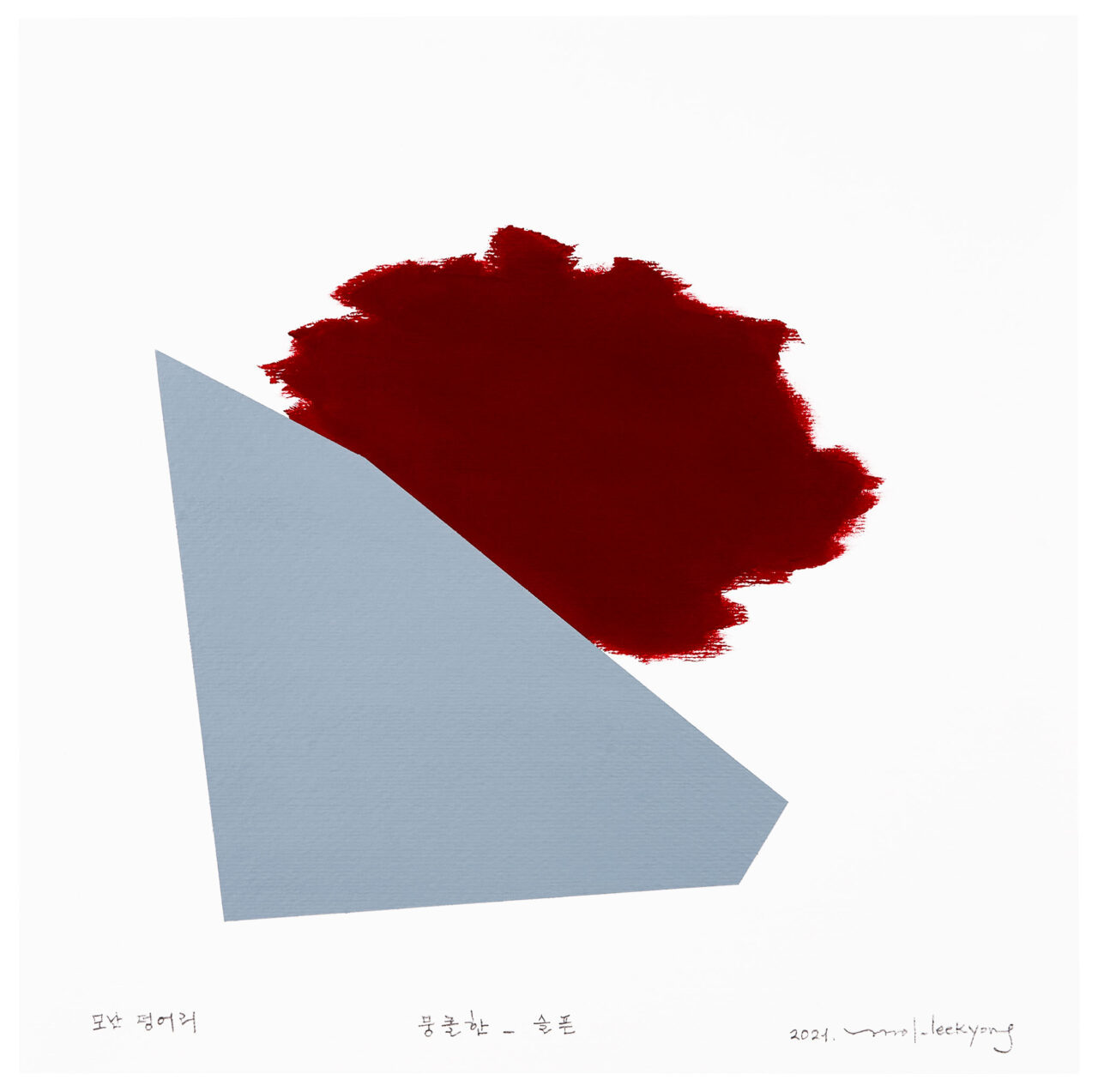
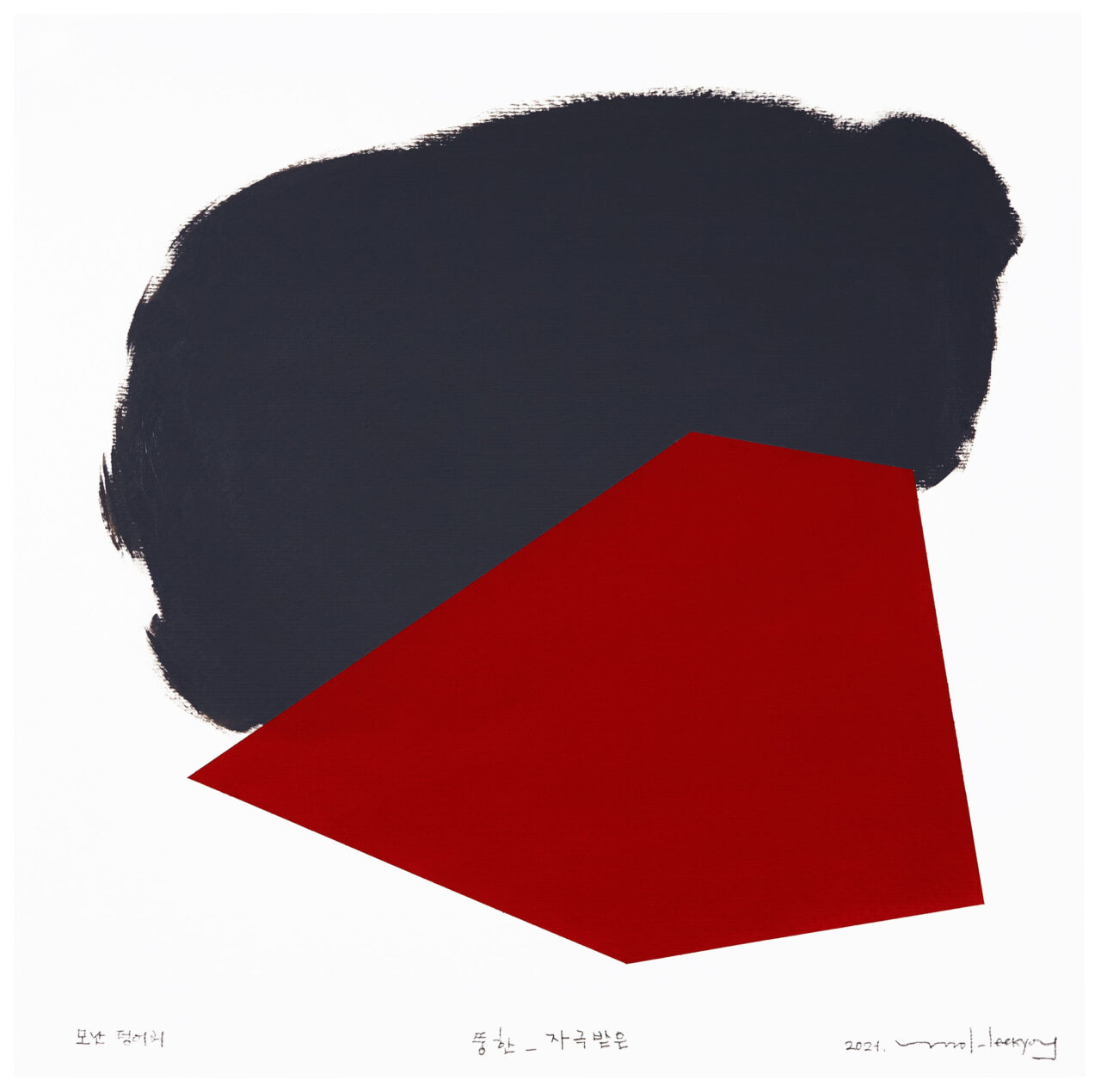
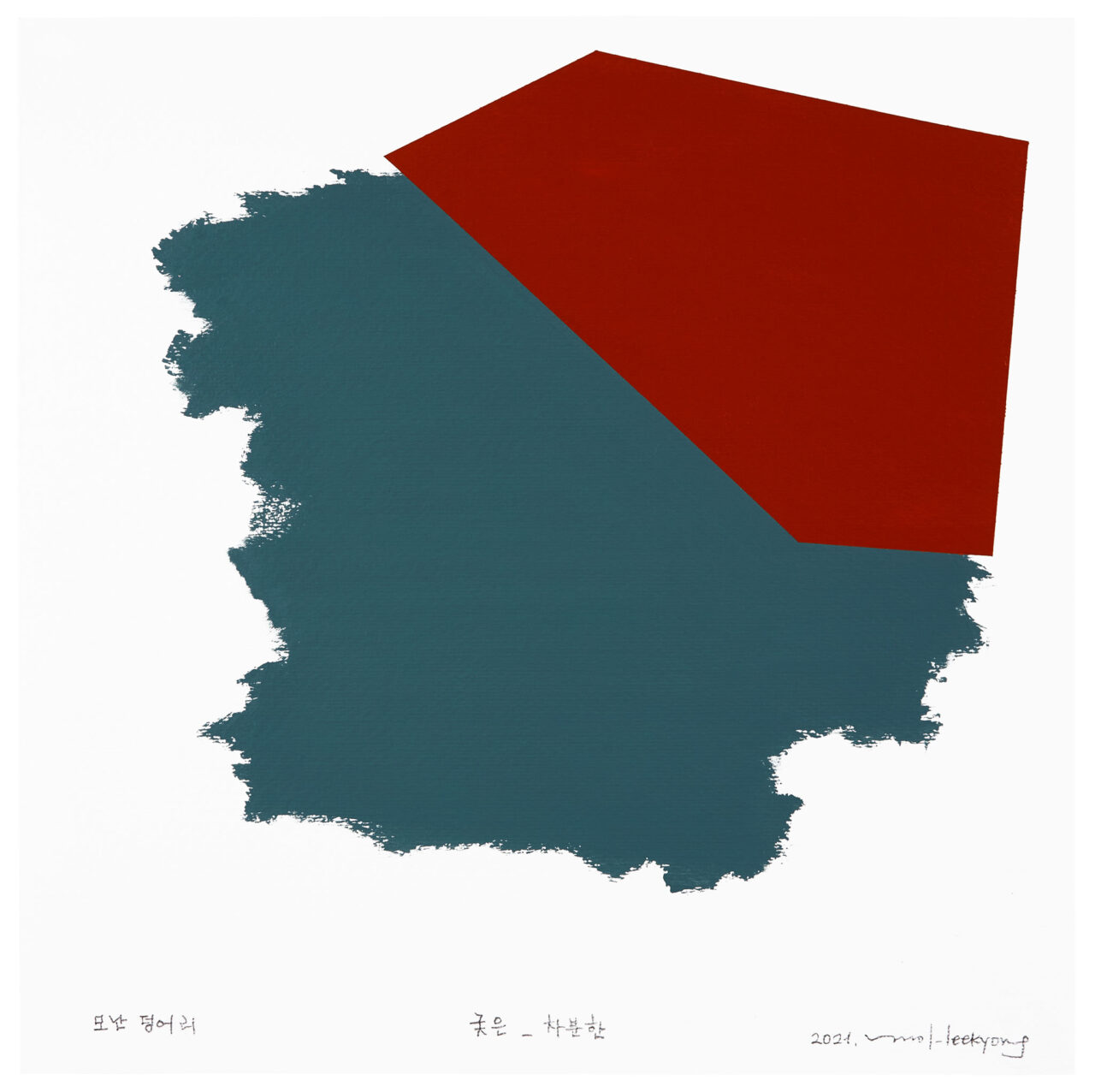
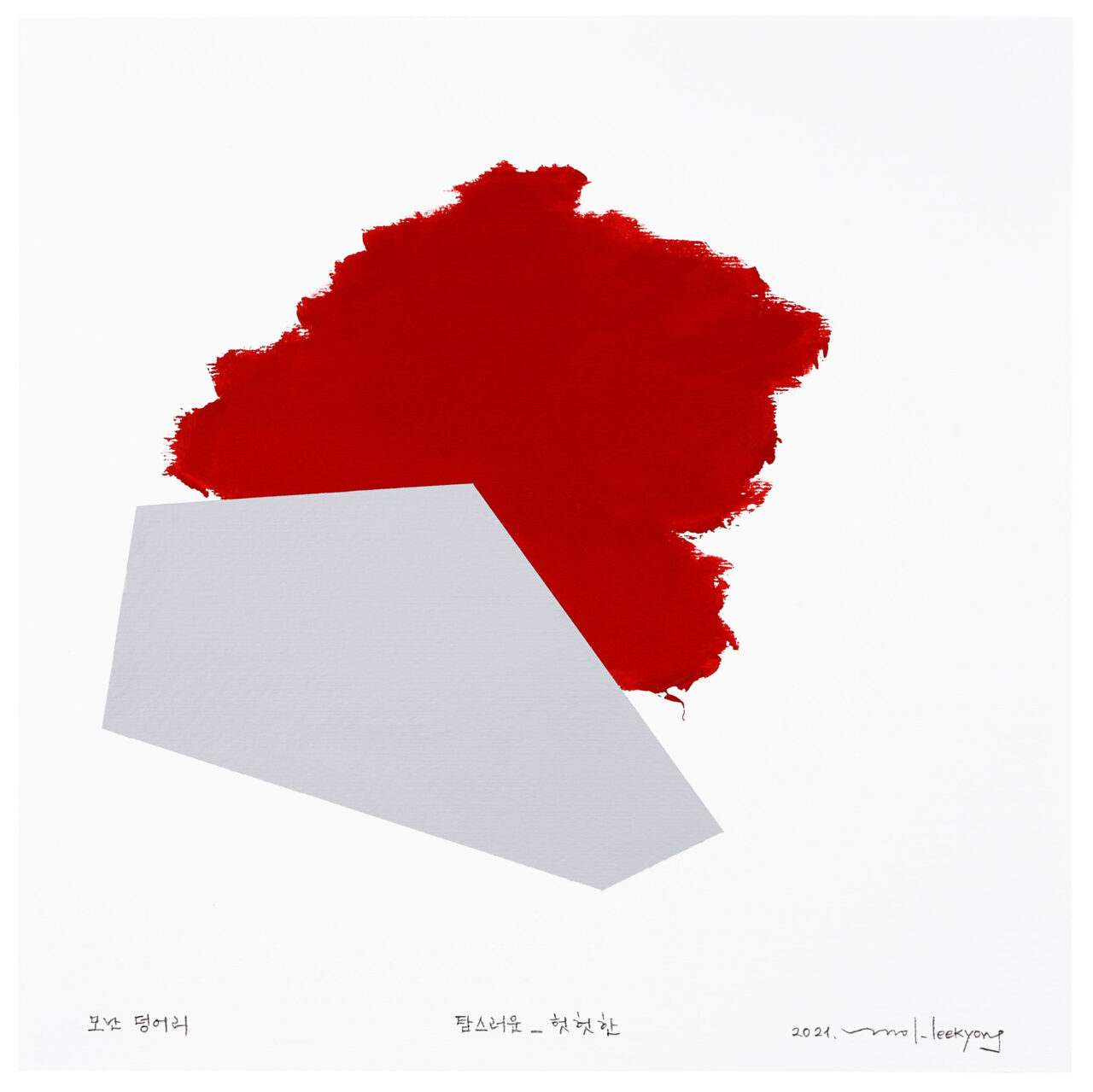
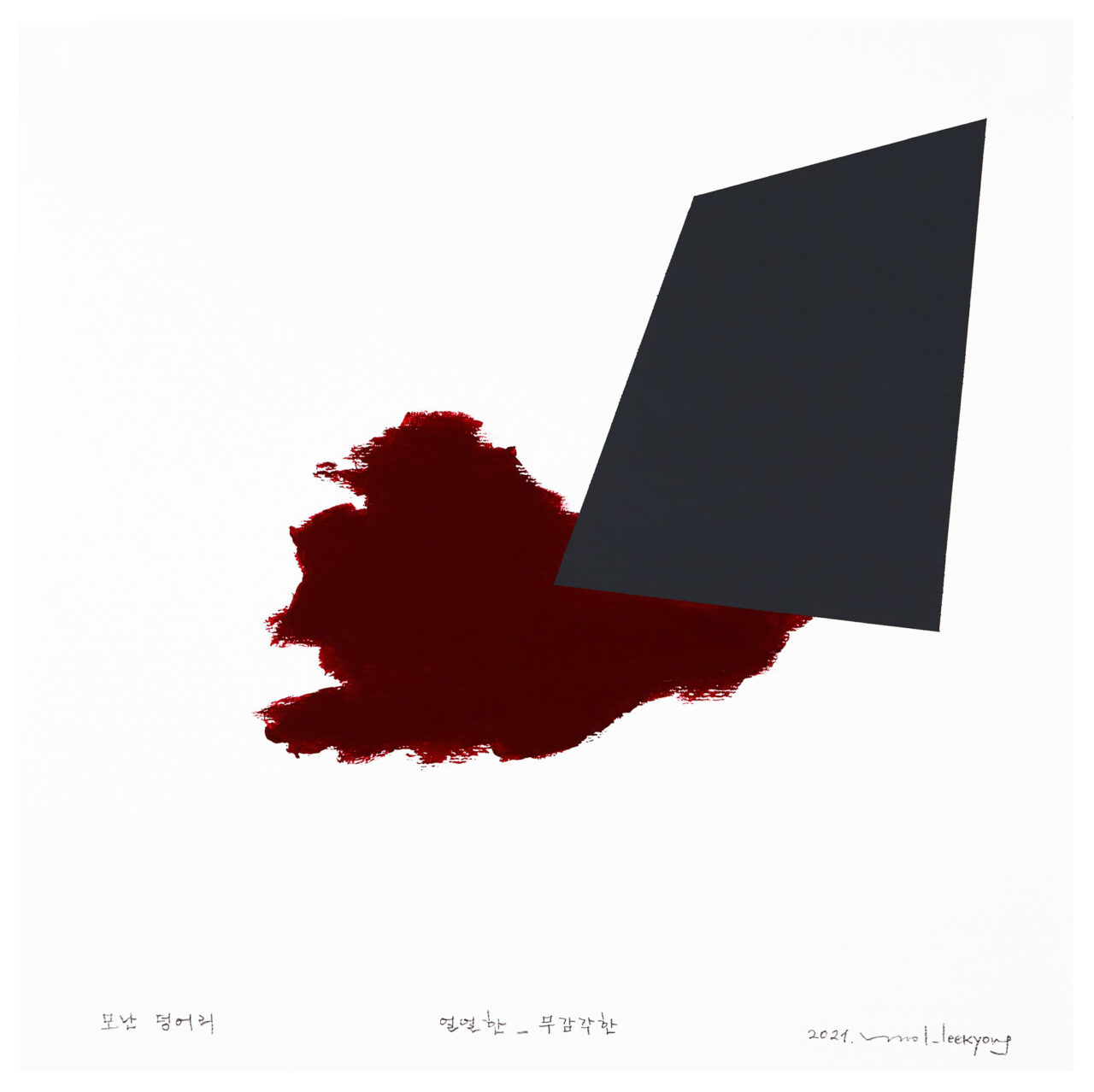
Die Masse_The Mass
Angular Mass_Die eckige Masse
Since 2015 ongoing, Various sizes, Pencil and acrylic on Fabriano-pittura/ Hahnemühle paper
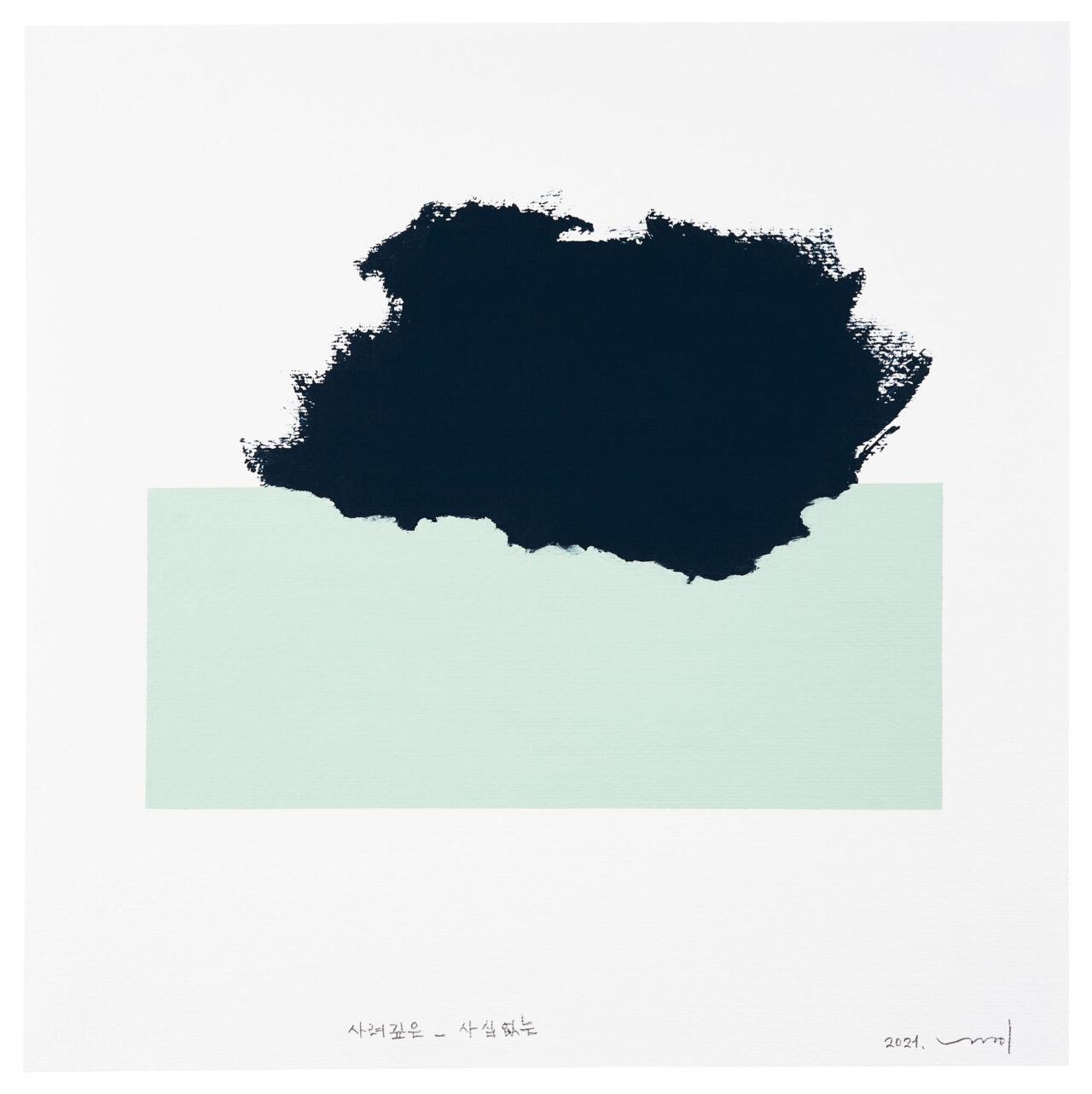
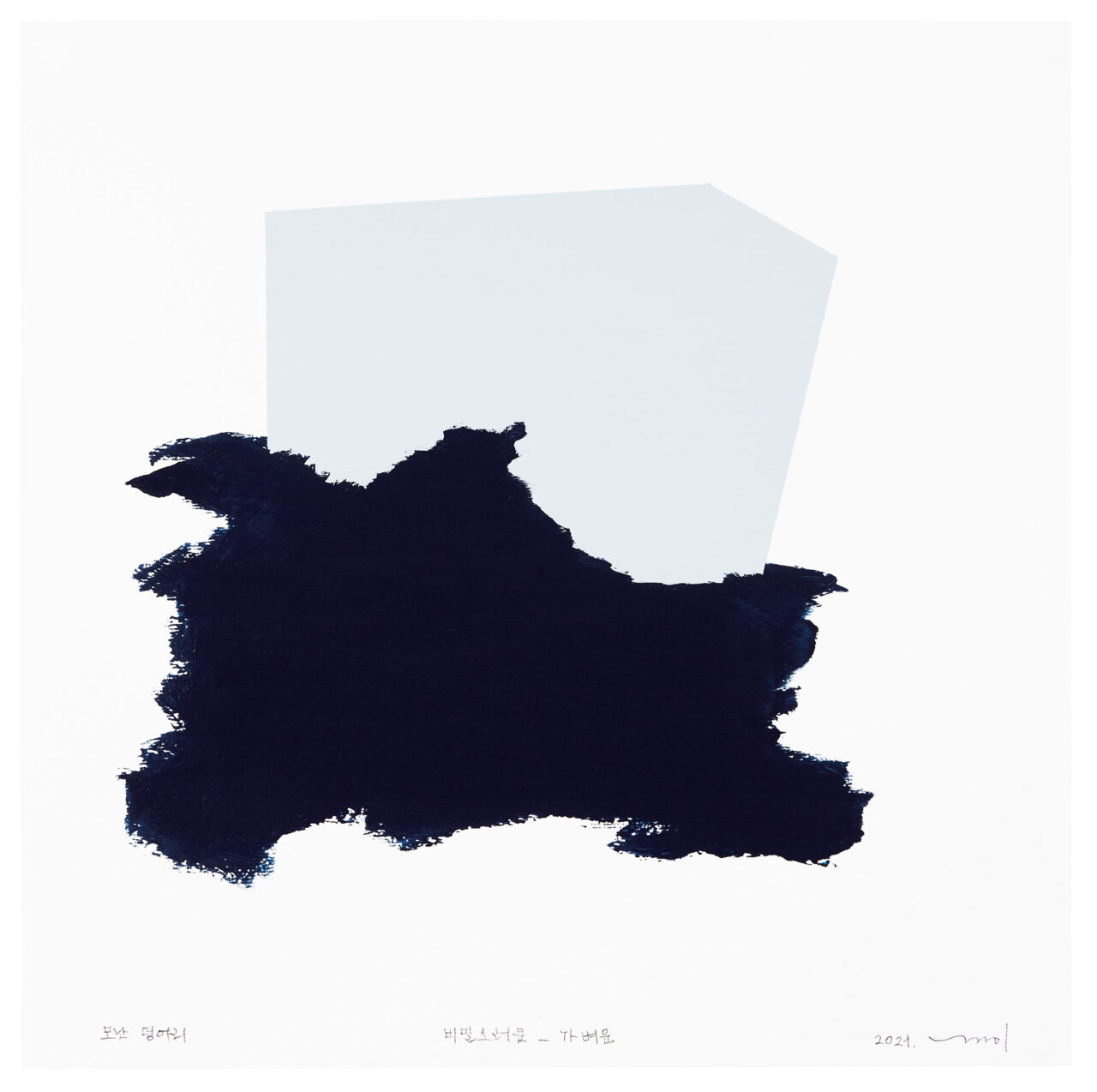
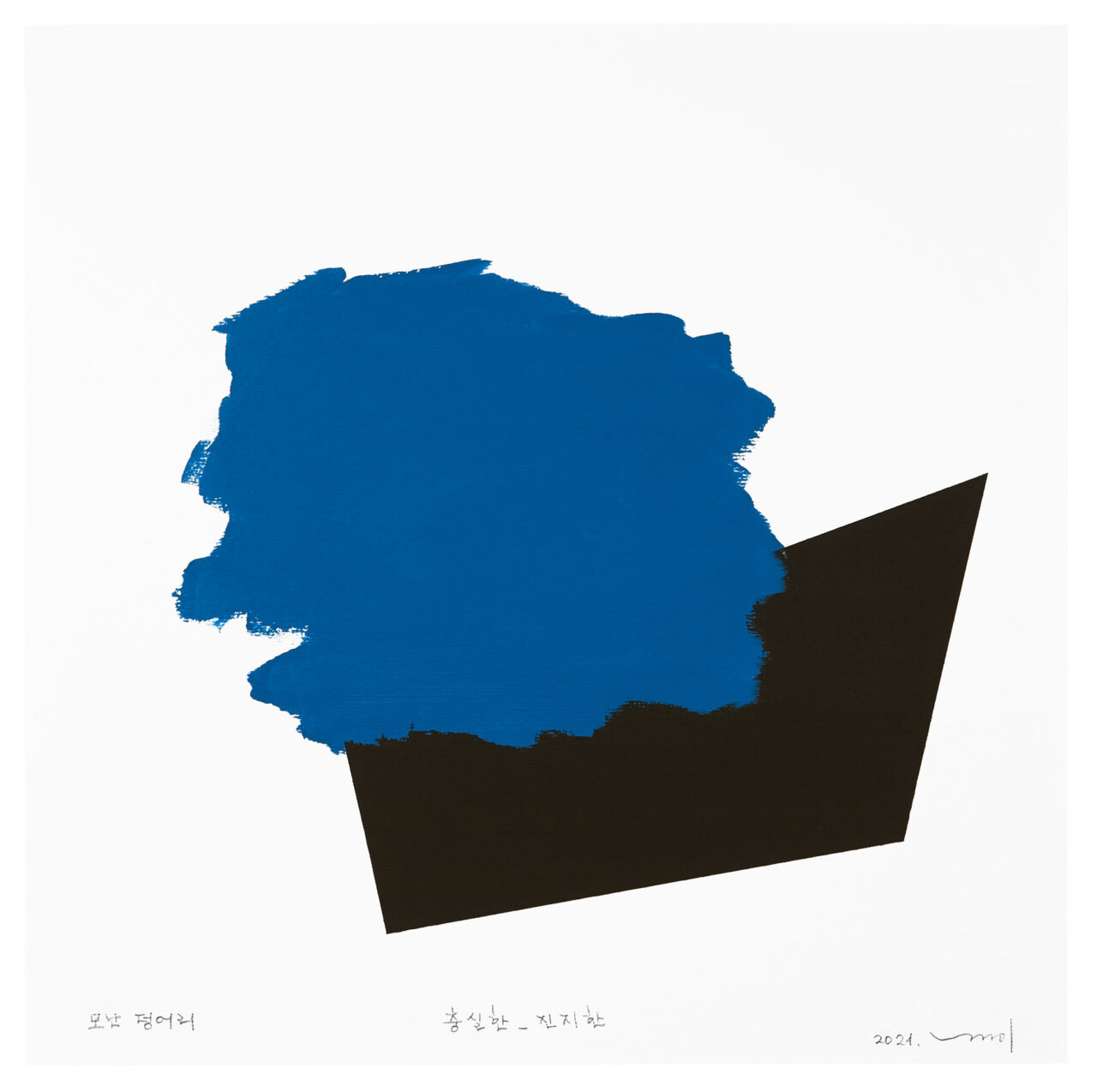
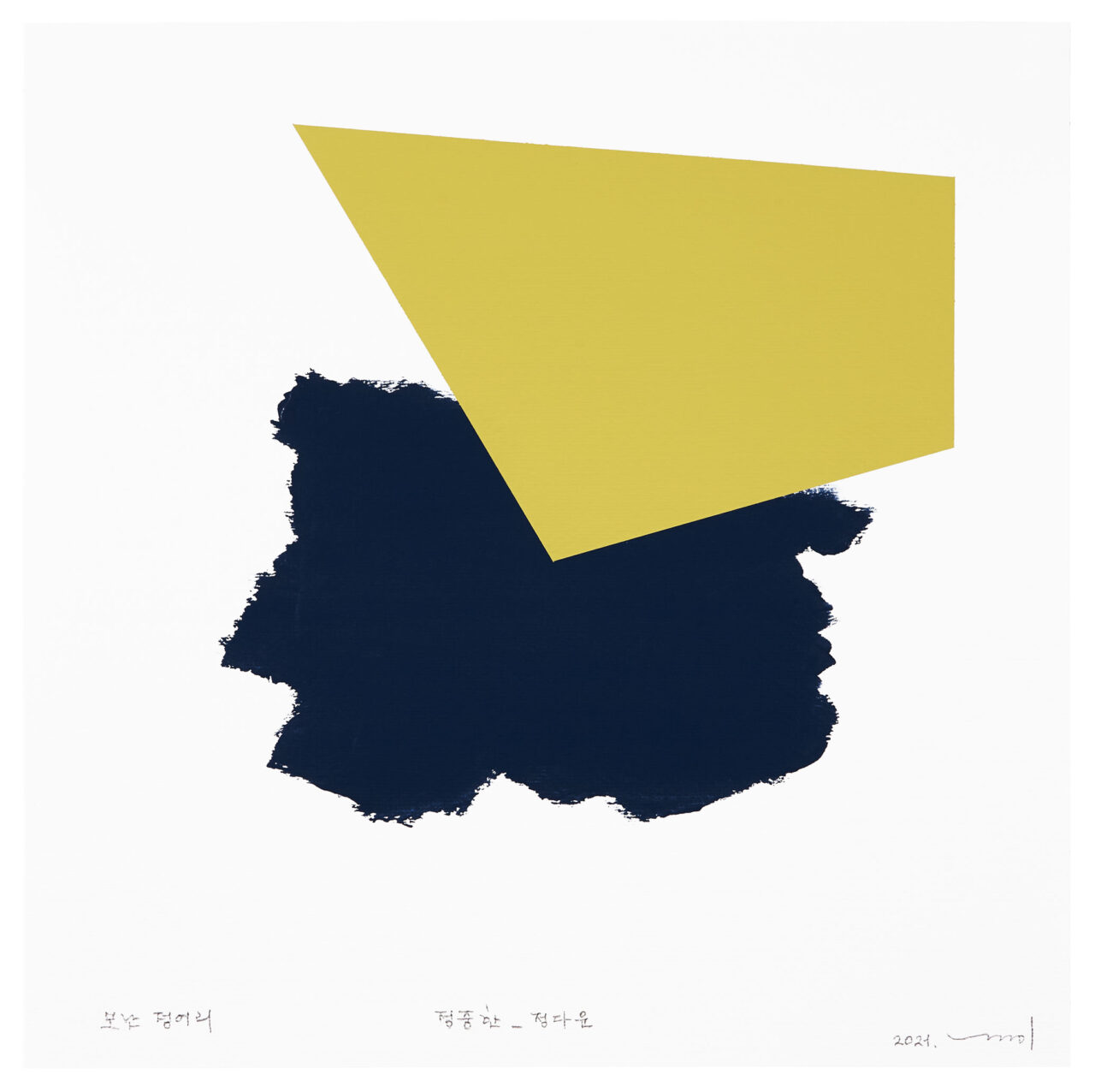
An amorphous mass of color floating like an island on a plane of pure black or white – a series expressing complex emotions, indescribable yet tangibly felt, through masses of color. A series within the same context but liberated from the intentionally imposed limit on the number of colors and altering the planar condition of black and white backgrounds – the catalyst for this change was time and nature.
Color as adjective-Noun
Since 2022 ongoing, Various sizes, Pencil and acrylic on Fabriano-pittura paper
Until now, I have explored color as an adjective to describe my subjective and ambiguous emotions. Over the past decade since my first attempt in 2012, the recorded relationship between color and emotion allows experimentation with diverse color connections depending on conceptual frameworks.
Modern Korean society is ever-changing and dynamic, yet my personal life as an artist has often been uncomfortable and melancholic, as shown by color as an adjective, though occasionally joyful. Moments of joy dissipate briefly into the air, while melancholy wells up from deep within. Anger blurs the vision like a red dye, and anxiety about the future spreads throughout the body, gifting sleepless nights.
Looking back at those 370 recorded adjectival hues, the color I had long sought—beauty—was there. Painful, hazy, hopeless, foolish, kind, and sometimes serene days. The combination of colors I could perceive with the emotions and heart that come with being alive—beauty.
Colors appear differently depending on the light. They also appear different depending on who sees them and when. What matters to me is not the exploration of color as a physical property, but how it feels to me right now. This feeling is highly fluid, unclear, and ambiguous. That’s why it’s an adjective.
I define the relationship between color and emotion thus created as red, blue, and green. This definition is one up to the present, subject to change in the future.